Before opening a floor: How Los Angeles homeowners can evaluate slab leak repair options
Just another WordPress site
Press Release Disclaimer: This is a press release distributed through the XPR Media network. It has not been independently verified by our newsroom.
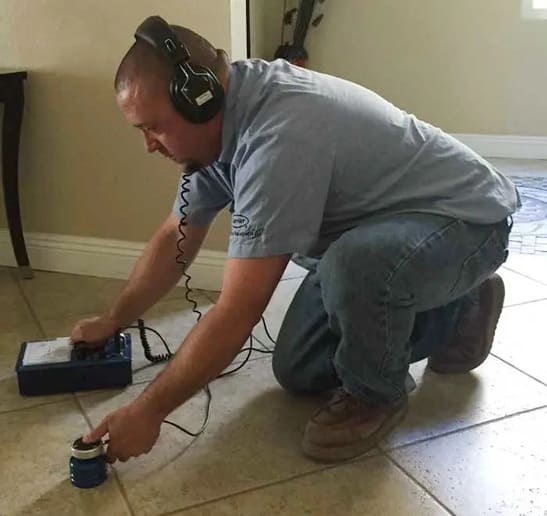

Los Angeles, California – Nov. 23, 2026 – A proposal to open a finished floor can leave homeowners with a difficult decision: whether the proposed opening will expose the right water line and whether a less disruptive route is available. Water Leak Detection Los Angeles outlines questions that can clarify a repair proposal when a leak beneath a concrete slab is suspected or has been located.
Separate a finding from a proposed fix
A diagnosis and a repair plan answer different questions. The diagnosis should explain what the available evidence indicates about the affected line and location. The repair plan should explain how the line will be accessed, isolated or replaced. An inspection can narrow a suspected area without establishing every detail, and a proposal should make clear which findings are confirmed and which still depend on access.
A homeowner can ask for the suspected route to be described on a sketch or marked in a photograph. A useful explanation may identify whether a particular line or branch appears affected and what conditions limited the inspection. Information about Los Angeles slab leak inspection can help distinguish locating the source from deciding how to reach it.
Compare the work, not only the opening
The company’s guide to slab leak repair in Los Angeles explains why different layouts can lead to different approaches. A targeted opening may be suitable where a specific section of pipe can be reached. A reroute may be considered when it is feasible to divert a line through another accessible path. Neither approach is automatically right for every building, and both can involve work beyond the pipe itself.
When comparing proposals, the homeowner can ask where the disruption will occur, which finishes may need to be disturbed and whether restoration is included. Two estimates may cover different amounts of work, even when they appear to address the same leak. Questions about temporary loss of water, access to the room and the timing of finish repairs can help make the comparison clearer.
Plan how the result will be checked
Before work starts, it helps to know how the contractor will confirm that the affected line is no longer losing water. It is also useful to ask who will assess adjacent materials if moisture has reached cabinets, baseboards or flooring. A successful plumbing repair and a decision about whether materials are ready to be closed up are separate steps.
Not every suspected under-floor leak starts beneath the slab. Evidence from hidden pipe leak detection in Los Angeles may point to another indoor source, including a line routed through a wall. If the evidence remains inconclusive, a homeowner can ask what additional check might narrow the options before approving a disruptive repair.
About Water Leak Detection Los Angeles
Water Leak Detection Los Angeles maintains information about residential water leak detection and related repair decisions. Its resources address hidden and under-slab water lines as well as visible symptoms elsewhere in a home. The information helps readers prepare questions about diagnosis, access and the scope of proposed work.
Media Contact
Company Name: Water Leak Detection Los Angeles
Contact Person: Ronald Frost
Email: Send Email
Phone: (323) 461-6133
Address:806 E 24th St
City: Los Angeles
State: CA 90011
Country: United States
Website: https://waterleakdetectionlosangeles.com/
Press Release Distributed by ABNewswire.com
To view the original version on ABNewswire visit: Before opening a floor: How Los Angeles homeowners can evaluate slab leak repair options