
Nobel Prize in Physiology or Medicine Awarded for Optogenetics Research
The announcement of the 2026 Nobel Prizes has commenced, with the initial award for Physiology or Medicine presented to scientists Karl Deisseroth, Peter Hegemann, and Georg Nagel for their pioneering work in optogenetics. The Nobel committees will reveal winners in…
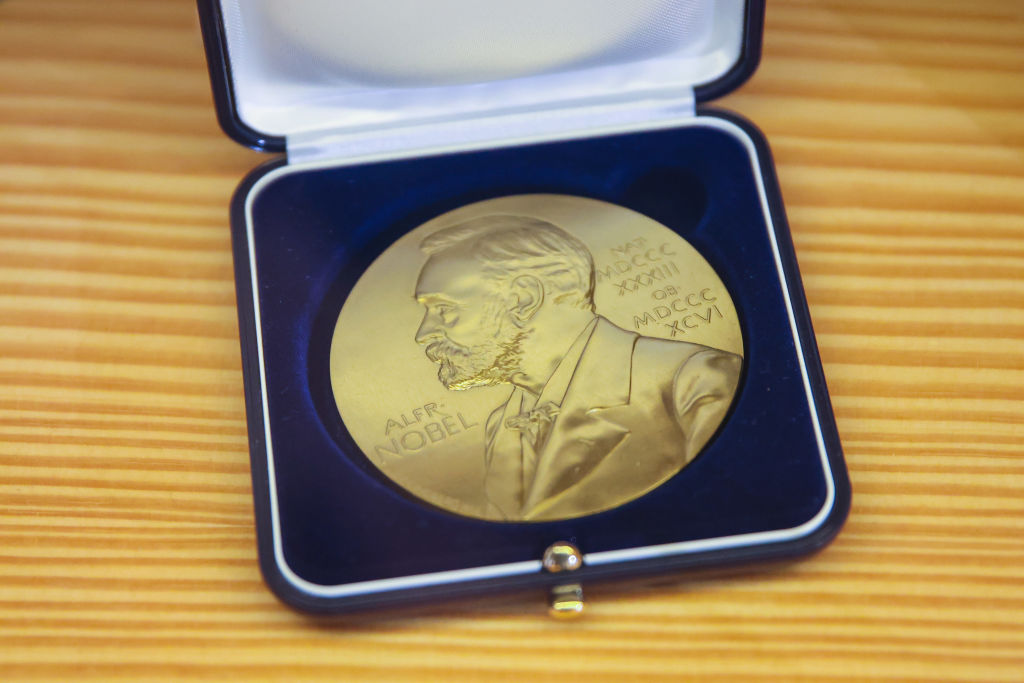
 Baltimore, MD, October 5, 2026 — The 2026 Nobel Prizes have begun their annual announcement cycle, with the first award presented in Physiology or Medicine. This year’s prize recognizes the significant contributions of scientists Karl Deisseroth, Peter Hegemann, and Georg Nagel for their foundational work in the field of optogenetics.
Optogenetics is a biological research technique that uses light to control cells in living tissue, typically through genetically inserted light-sensitive ion channels. This method allows researchers to activate or deactivate specific neurons, offering a precise way to study brain function and neural circuits. The development of these tools has been instrumental in advancing neuroscience and understanding complex biological processes.
The Nobel committees are scheduled to announce recipients in the remaining categories throughout the current week. The laureates will be formally celebrated at award ceremonies to be held in December. These ceremonies traditionally take place in Stockholm, Sweden, for the prizes in Physics, Chemistry, Physiology or Medicine, Literature, and Economic Sciences, and in Oslo, Norway, for the Nobel Peace Prize.
Story summarized from the original created by Connor Greene on time.com, see more information here.
Media gallery


